
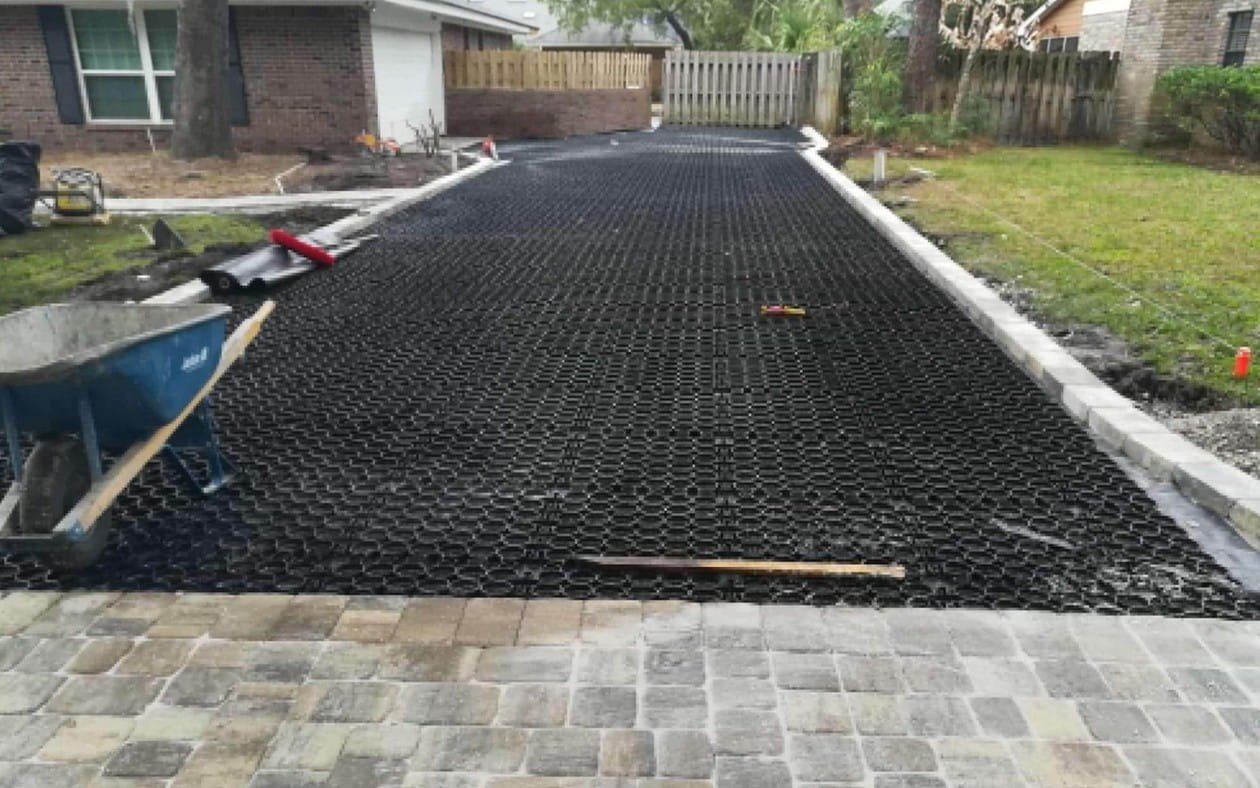
Enhancing Outdoor Durability with Wind Proof Paving Systems
Outdoor spaces are increasingly valued for their aesthetic appeal and functionality. Gardens, patios, terraces, and commercial open areas all benefit from robust and reliable paving solutions. One of the emerging concerns in outdoor design is the impact of wind on paving systems. Strong winds can cause significant damage, displacing pavers or causing surface deterioration over time. This issue has led to the development of specialised wind proof paving systems designed to enhance outdoor durability and maintain the integrity of paved surfaces under challenging weather conditions.
The Challenges of Wind Exposure on Paved Surfaces
Paving materials such as concrete, stone, or ceramic tiles are generally durable and suitable for outdoor installations. However, their performance can be compromised by elements such as wind, especially in exposed locations. Wind can lift and dislodge poorly secured pavers, leading to safety hazards and costly repairs. Additionally, dust and debris carried by wind can accumulate in joints, affecting drainage and overall maintenance.
Wind pressure exerted on raised or elevated paving systems can intensify the risk of displacement. This is particularly significant for lightweight or interlocking units that rely on surface friction and gravity for stability. Hence, the need for innovative solutions that specifically address wind stability is critical in achieving long-term performance.
Understanding Wind Proof Paving Systems
A wind proof paving system is engineered to resist the forces of wind by securely locking paving components together and anchoring them to underlying supports. These systems typically combine mechanical fastening methods with specially designed base layers to prevent movement caused by wind uplift and lateral forces. The result is a highly stable pavement that maintains alignment and uniformity even under harsh weather.
Multiple design parameters are considered in these systems, including the size and weight of pavers, the spacing between them, and the method of installation. By integrating adjustable supports and locking mechanisms, installers can customise the paving setup to accommodate various site conditions and wind exposure levels.
Advantages of Wind Proof Paving Systems
Implementing wind proof paving solutions offers numerous benefits beyond simple weather resilience. Key advantages include enhanced safety, reduced maintenance, and increased lifespan of paved areas. Secure pavers minimise tripping hazards caused by displaced tiles and create smoother surfaces. This is particularly important in high-traffic commercial spaces or public walkways where safety is paramount.
Additionally, wind proof systems help prevent ingress of moisture and debris underneath pavers, which can lead to subsurface erosion or damage. By maintaining a stable interlock, these systems reduce the need for frequent repairs or realignment. The resulting durability promotes long-term cost savings for property owners and managers.
Applications in Residential and Commercial Settings
Wind proof paving systems are suitable for a wide range of applications. In residential environments, patios, balconies, and garden paths benefit from improved resistance to wind uplift and displacement. This is especially relevant for properties located in coastal or elevated areas where wind speeds tend to be higher.
Commercially, outdoor dining areas, rooftop terraces, and pedestrian precincts require robust paving to withstand variable weather and heavy footfall. Wind proof paving systems provide dependable surfaces that maintain aesthetics while meeting strict safety and durability standards.
Case Study: Coastal Commercial Installation
A coastal shopping centre recently incorporated a wind proof paving system on its rooftop terrace. The area is exposed to strong prevailing winds, and conventional paving had experienced repeated displacement issues. Since installation, the paving has remained stable, preventing costly maintenance and enhancing visitor comfort. This example highlights how wind proof technology effectively addresses site-specific challenges.
Components of a Wind Proof Paving System
Typical elements of an effective wind proof paving system include adjustable pedestals, locking clips, and interlocking paving units. Adjustable pedestals allow precise elevation control, ensuring a level surface that compensates for substrate irregularities. Locking clips or mechanical connectors bind the individual pavers, distributing wind loads evenly and eliminating gaps.
Additionally, incorporating a permeable or drainage-friendly base layer assists with water management, reducing hydrostatic pressure that could otherwise exacerbate wind-related movements. Selecting the appropriate materials and system design is essential for optimal performance and compliance with local building regulations.
Installation Considerations
Proper installation is critical to harness the advantages of wind proof paving systems. Qualified professionals should perform site assessments to evaluate wind exposure, substrate conditions, and load requirements. These inputs guide the choice of system components and the installation methodology.
Attention must be given to securely fixing the support pedestals and ensuring all locking mechanisms engage fully. Regular inspections post-installation help identify any potential loosening or damage, allowing timely corrective action. Adhering to manufacturer guidelines and industry standards establishes a durable and safe paved area.
Maintenance and Longevity
Wind proof paving systems usually demand minimal maintenance once correctly installed. Regular cleaning to remove accumulated debris from surface joints prevents blockage and water pooling. Inspecting locking components and pedestal supports periodically ensures that the system remains intact over time.
By maintaining structural integrity, wind proof paving enhances the lifespan of outdoor surfaces and preserves the original design quality. This long-term reliability contributes to sustainable outdoor space management with reduced lifecycle costs.
The Future of Paving Technology
As climatic conditions become more variable, the demand for adaptive and resilient outdoor construction solutions is growing. Wind proof paving represents a significant advancement in paving technology, combining engineering innovation with practical design to address environmental stresses.
Research and development continue to explore materials and installation techniques that improve load resistance, thermal performance, and ease of maintenance. These developments will further expand the range of applications and performance capabilities of wind proof paving systems in the coming years.
Conclusion
Wind proof paving systems offer an effective solution for enhancing the durability and safety of outdoor paved surfaces exposed to strong winds. By integrating mechanical locking and secure support systems, these pavings resist displacement and deterioration caused by wind forces. This technology delivers considerable benefits across residential and commercial settings, ensuring long-lasting, visually appealing outdoor spaces.
Choosing a proven wind proof paving system is essential for addressing the challenges posed by wind exposure. With appropriate installation and maintenance, these systems represent a sustainable investment that protects both structural integrity and user safety over the lifespan of a paved area.