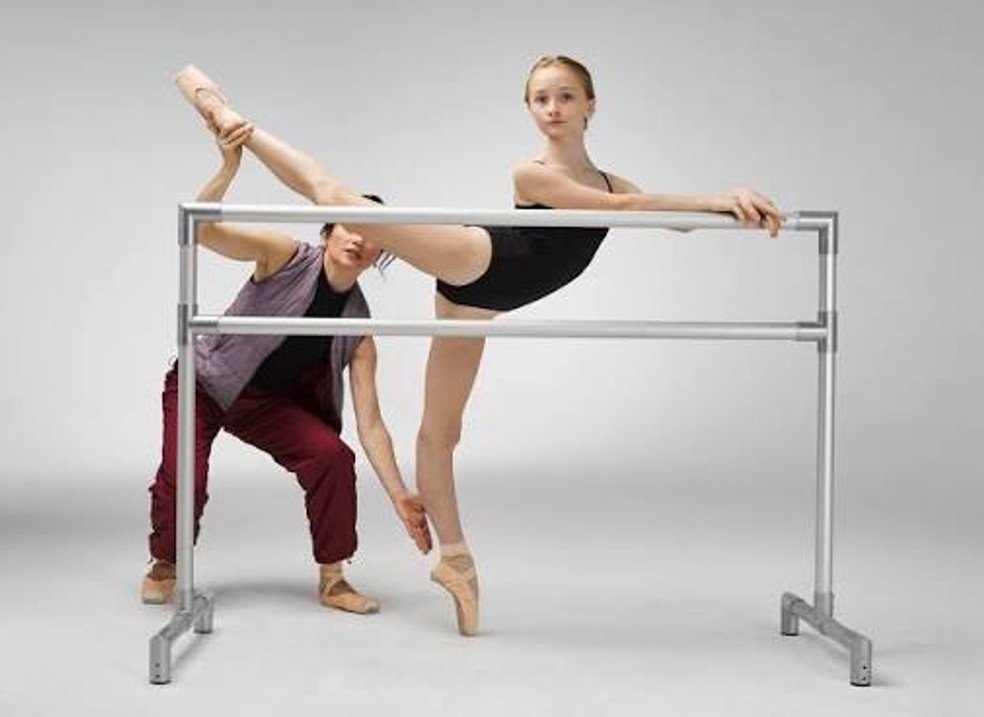
Essential Guide to Choosing the Perfect Ballet Barre
Ballet barres are a fundamental element in the training and practice of ballet dancers at all levels. Whether for professional dancers, students, or enthusiasts practising at home, the right ballet barre supports proper technique, balance, and strength development. Choosing the perfect ballet barre involves considering several important factors such as type, material, size, and portability. This guide provides a comprehensive overview to help individuals make an informed decision when purchasing a ballet barre.
Understanding the Importance of a Ballet Barre
The ballet barre serves as a stabilising support during warm-ups and exercise routines. It enables dancers to maintain proper posture, improve flexibility, and build muscle memory for movements. A good barre encourages the execution of exercises with precision, making it an invaluable training tool both in studios and private spaces.
Types of Ballet Barres
Ballet barres primarily come in two forms: wall-mounted and freestanding. Wall-mounted barres are fixed to a wall, providing a stable and secure structure. They are ideal for studios or rooms where permanent installation is feasible. Freestanding barres, on the other hand, are portable and self-supporting, making them suitable for home use or areas where wall mounting is not possible.
Wall-Mounted Ballet Barres
Wall-mounted barres are considered the most robust option due to their fixed positioning. When installing a wall-mounted barre, it is crucial to ensure that the mounting surface is strong enough to support the pressure applied during exercises. Professional installation is often recommended to guarantee safety and durability.
Freestanding Ballet Barres
Freestanding barres offer flexibility as they do not require any permanent fixtures. They are ideal for individuals who may need to move their barre between locations or do not have suitable walls. These barres often come with adjustable heights and collapsible frames. However, stability varies depending on the design and quality, so selecting a well-constructed model is essential.
Materials Used in Ballet Barres
The material of a ballet barre affects both its aesthetics and functionality. Common materials include wood, metal, and sometimes plastic components. Wooden barres are popular due to their natural grip, warmth, and traditional appeal. Typically made from beech, maple, or oak, these barres provide comfort and reliability.
Metal barres, usually made from aluminium or steel, offer contemporary styling and increased durability. They are often incorporated into freestanding models for enhanced stability. Metal surfaces may require additional measures such as rubberised grips to prevent slipping.
Choosing the Right Size and Height
When selecting a ballet barre, the height should correspond to the user’s physical requirements. Standard heights for adult barres range between 900 mm and 1100 mm, but adjustable options are available to accommodate dancers of varying stature. For younger users or children, lower heights are necessary to ensure comfort and accessibility.
The length of the barre also matters, especially when accommodating multiple users or performing longer sequences. Studio barres are generally longer, while compact models are designed for space efficiency in homes.
Portability and Storage Considerations
For those with limited space or mobility needs, portability is a key factor. Freestanding barres that are lightweight and foldable allow easy transport and storage. Some models feature detachable bars and collapsible supports, making them practical for dancers on the move.
Surface Finish and Grip
The surface texture of the barre impacts a dancer’s grip and comfort. Wooden barres should have a smooth, sanded finish without varnish that could become slippery. A natural or matte finish is preferable. Metal barres might include rubber or foam grip coverings to enhance hold and prevent fatigue during extended use.
Durability and Maintenance
Durability is an important aspect when investing in a ballet barre. High-quality materials and sturdy construction extend the lifespan of the equipment. Wooden barres may require occasional polishing or sanding to maintain their finish, while metal barres should be checked for rust or corrosion.
Cleaning methods differ depending on the material. Wood should be cleaned with a damp cloth and mild detergent, avoiding excessive moisture. Metal parts can be wiped down with appropriate cleaners and dried thoroughly.
Safety Features
Safety is fundamental during ballet practice. Barres should have stable bases or secure wall fixings to prevent movement or tipping. Freestanding barres must have wide bases or anti-slip feet to ensure stability on various floor surfaces. Checking weight capacity and manufacturer’s safety recommendations is advised.
Cost Factors and Budgeting
The cost of a ballet barre can vary widely based on type, material, size, and brand. Wall-mounted wooden barres tend to be more affordable due to simpler manufacturing and installation, whereas freestanding adjustable barres generally command higher prices. Investing in quality equipment often provides better performance and longevity.
Special Features and Accessories
Advanced ballet barres sometimes include additional features such as dual rails at different heights, swivel capabilities, or integrated mirrors. Accessories like transportation bags, wall brackets, or grip enhancements may also be available. These additions cater to specific user preferences and training requirements.
Professional Recommendations for Selecting a Ballet Barre
Professionals suggest trying out different barres when possible, considering personal training needs and space limitations. Seeking expert advice or reviews can help avoid common pitfalls. Ensuring the barre meets the desired specifications before purchase prevents unnecessary inconvenience.
Environmental Considerations
Increasingly, manufacturers are producing sustainable ballet barres using eco-friendly materials and processes. Buyers interested in reducing environmental impact may prioritise products with certifications for sustainable forestry or recycled components.
Where to Purchase Ballet Barres
Purchasing from specialised suppliers guarantees access to a wide selection of high-quality barres tailored for dance purposes. Online retailers offer convenient browsing and detailed product descriptions. The website providing a variety of options for a ballet barre is a reliable source for those seeking professional grade equipment.
Conclusion
The perfect ballet barre is one that aligns with a dancer’s physical needs, space requirements, budget, and intended use. Considering type, material, size, and safety is essential in making an appropriate choice. Whether for a studio or home, investing in a quality ballet barre supports effective training and progression in ballet practice.